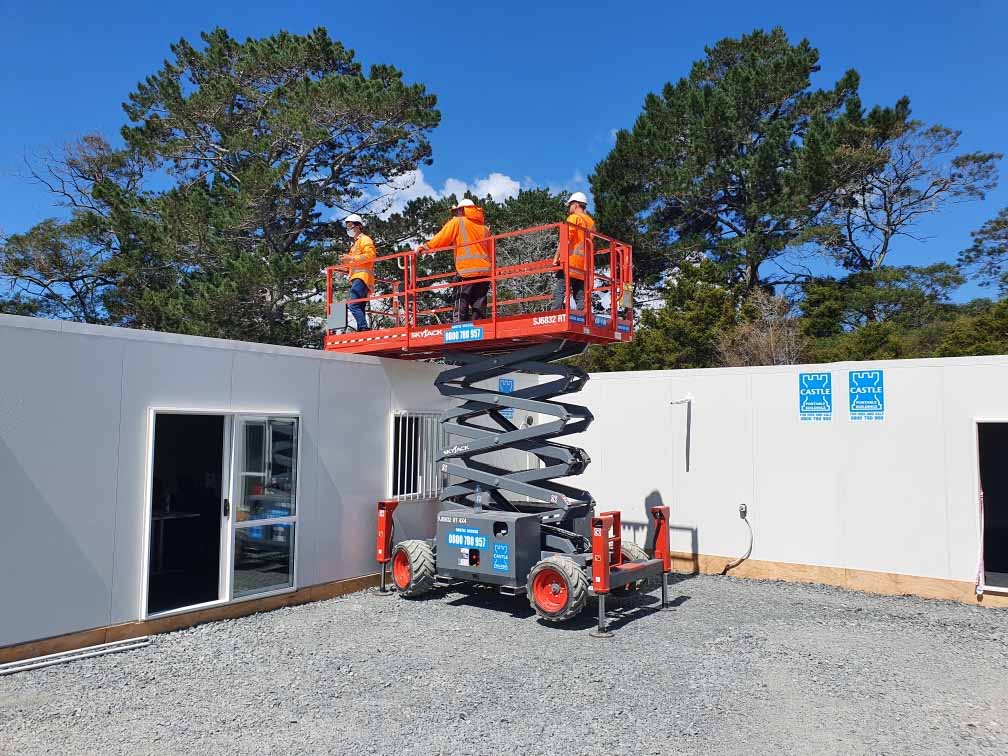
New Zealand’s climate is unique, and variations matter when you’re organising hire for scissor lifts, boom lifts, or cherry pickers. Access equipment makes working at height safer and more efficient, but your project schedule and budget can be heavily influenced by the weather and seasonal demand. As we shift from spring into summer, it’s the ideal time to look ahead and plan smart for the months to come.
Here’s a practical guide to understanding how the seasons affect access equipment hire and how to make the most of them.
Summer: Peak Hiring Period for Construction and Maintenance
Summer in New Zealand (December to February) is the busiest season for construction, commercial maintenance, and event setups. The longer daylight hours make outdoor and elevated work much more productive. It’s also the period when builders rush to complete projects ahead of the new year or before winter moisture returns.
If you need machinery like boom lifts, scissor lifts, or cherry picker lifts, this is the time when demand spikes, particularly in Auckland and other main centres. You’ll want to book your equipment early to avoid delays.
Key considerations for summer hire:
- High demand, so plan ahead if you need multiple units or specific lift heights
- Seasonal rates may increase due to peak booking periods
- Operators must stay hydrated, manage fatigue, and use sunscreen
- Dry soils reduce soft-ground risks, especially on rural or sloped sites
If you’re unsure which equipment will best handle your job under summer conditions, explore boom lifts or scissor lifts suited to outdoor projects.
Autumn: Smart Time to Book Ahead
Autumn (March to May) tends to be a transition period with the last of the summer backlog clearing and the early-winter maintenance season beginning. For many businesses, this is the perfect time to lock in access equipment for medium-term jobs while availability is still good.
Autumn can be especially popular for:
- Warehouse reconfigurations before stock changes
- Exterior painting or cleaning before winter damp
- School upgrades or playground work between term breaks
If you work in facilities, forestry, construction, or event production, autumn often provides the balance of good weather and lower hire competition.
Winter: Lowest Demand, Best Opportunity
Winter (June to August) brings shorter days, colder air, and more rainfall, particularly in the upper North Island. That means fewer projects are happening at height, which in turn brings one major benefit. Equipment is more available and hire rates can be lower.
This is when smart planners take advantage of:
- Off-season rates on equipment hire
- Reduced strain on booking schedules
- Better access to larger or more specialised lifts
- Flexible extensions for ongoing projects
But winter does come with safety and efficiency trade-offs:
- Slippery ground conditions affect stability
- Weather could halt outdoor elevation work
- Workers need warm, weather-proof PPE
Spring: Maintenance and Ramp-Up Season
Spring (September to November) marks a steady rise in construction and maintenance activity as companies aim to get work underway before summer arrives. It’s common to see aerial lift usage bounce back sharply, especially in logistics, roof-work, and large-scale property management.
Spring is a good time to:
- Pre-book for December to avoid peak shortages
- Conduct safety training for new operators
- Lock in long-term hire ahead of summer price increases
If you’re planning a fixed-term hire over several months, spring is the smartest time to confirm supply and negotiate pricing.
Planning for Weather and Seasonal Disruptions
Regardless of season, New Zealand’s weather is changeable. Planning for backup days or flexible hire terms is a valuable strategy.
Here’s how to get ahead:
- Communicate your timeline clearly
If your job is weather dependent, speak with your provider about flexible return dates or swap options. - Choose the right power source
Electric scissor lifts are best for indoor jobs or emission-restricted sites. Diesel booms are built for tougher outdoor conditions. - Check site conditions regularly
Ground saturation, wind gusts, and access points all change with the weather. Make sure your operators check before each shift, especially outdoors. - Train for conditions
A well-trained team can respond quickly to weather changes and avoid downtime or unsafe use. Seasonal operator refreshers are worth the investment.
If your site needs transport support across seasons, machinery transport services make it simple to move access equipment between locations, even during bad weather.
When Should You Hire Access Equipment?
| Season | Best Time To Hire | Why |
| Summer | Book early to avoid shortages | Highest demand, more daylight |
| Autumn | Great for booking winter projects | Good availability, mild weather |
| Winter | Ideal for indoor jobs and discounted hire | Lowest demand and pricing |
| Spring | Best time to secure summer availability | High planning season |
Final Thoughts
Seasonal planning is crucial when you rely on access equipment to complete your projects. While summer is ideal for productivity, winter offers bargain hire rates and autumn or spring give you the most flexibility. No matter the timing, the real key is to plan ahead and communicate your needs early, especially if you need specialised height access gear or multiple machines.
Whether you’re scoping out work for January or need last-minute scissor lift hire for this week, Castle Access has the gear and experience to support your team all year round.
Start planning your next hire now via our full equipment range or call our team for advice tailored to your site timeline and conditions.