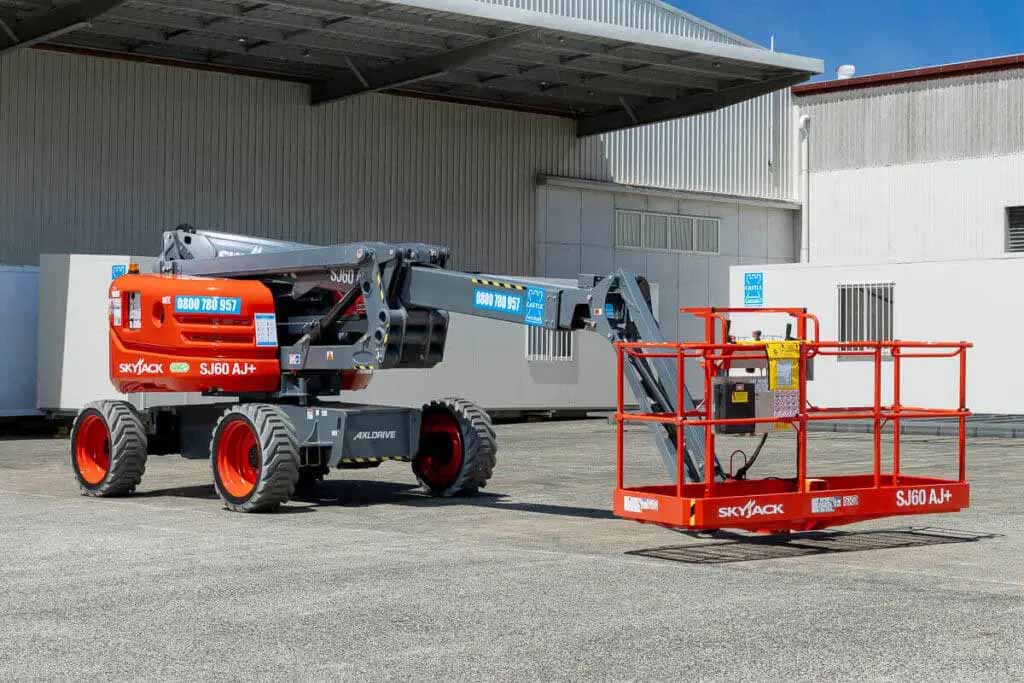
Boom lifts are one of the most effective ways to work safely at height. They provide reach, stability, and flexibility that ladders and scaffolding simply cannot match. However, like any access equipment, they must be used correctly. Understanding how to operate a boom lift safely is essential for protecting your team, your site, and your project timeline.
At Castle Access, safety is at the center of everything we do. We supply well-maintained boom lifts across Auckland and work closely with our clients to ensure they are used correctly. This step-by-step guide explains how to use a boom lift safely, from preparation through to shutdown, and highlights where the right hire partner makes all the difference.
Step 1: Choose the right boom lift for the job
Safe operation starts before the machine even arrives on site. Boom lifts come in different sizes and configurations, and selecting the right one is critical.
Before hiring, consider:
- Required working height and horizontal reach
- Ground conditions and available space
- Indoor or outdoor use
- Weight capacity for operators and tools
- Access restrictions such as doorways or tight work zones
Using a boom lift that is too small can force unsafe reach. Using one that is too large can create unnecessary risk and cost. If you are unsure, our team can help match the correct machine to your site and scope of work.
You can explore options through our boom lifts, which includes models suited to construction, maintenance, and industrial sites.
Step 2: Inspect the site before operation
A boom lift is only as safe as the surface it operates on. Before positioning the machine, the site must be assessed carefully.
Key checks include:
- Ground firmness and level surface
- Slopes or uneven areas
- Underground services or soft ground
- Overhead hazards such as power lines, beams, or trees
- Weather conditions including wind and rain
Outdoor work requires extra caution, especially in the unpredictable New Zealand weather. If conditions are unsafe, work should be delayed. Rushing setup is one of the most common causes of boom lift incidents.
Step 3: Complete a prestart inspection
Every boom lift must be checked before use. This inspection should be carried out at the start of each shift and whenever operators change.
A standard prestart check includes:
- Tyres or tracks for damage and pressure
- Guardrails and entry gates
- Controls and emergency stop functions
- Hydraulics and visible leaks
- Warning alarms and lights
- Harness anchor points
The inspection must be recorded in the machine logbook. If anything does not look right, the lift should not be used until it has been checked by a qualified technician. All Castle Access equipment is supplied with up-to-date service records and logbooks so you can start work with confidence.
Step 4: Use the correct PPE and fall protection
Boom lifts involve movement, extension, and rotation. Because of this, fall protection is essential.
Operators should always:
- Wear a suitable safety harness
- Attach the lanyard to the designated anchor point
- Use PPE appropriate to the site, including helmet and footwear
- Secure tools to prevent falling objects
Standing on guardrails, climbing out of the basket, or leaning beyond the platform is unsafe and not permitted. The platform is designed to support workers only when used as intended.
If you are managing a site with multiple access machines, our access equipment options allow you to standardise equipment and safety expectations across teams.
Step 5: Operate the boom lift correctly
Once elevated, smooth and controlled movement is essential. Operators should take time to understand the controls and movement limits of the specific machine they are using.
Safe operating practices include:
- Raising and lowering the boom slowly
- Avoiding sudden movements or sharp turns
- Keeping the platform within rated capacity
- Maintaining clear communication with ground staff
- Never moving the lift with the boom extended unless the machine is designed to do so
Operators must remain alert at all times. Distractions, fatigue, or pressure to rush increase risk significantly. Good planning helps avoid these issues.
Step 6: Monitor conditions throughout the job
Conditions on site can change quickly. Wind can increase, surfaces can become slippery, and other trades may move into the work zone.
Throughout the day:
- Reassess ground and weather conditions
- Watch for new overhead hazards
- Keep exclusion zones clear below the platform
- Pause work if conditions become unsafe
Boom lift safety is not a one-time check. Ongoing awareness is essential to prevent incidents.
Step 7: Lower, park, and shut down safely
At the end of the task or shift, the boom lift should be returned to a safe state.
This includes:
- Fully lowering the boom
- Parking on level ground
- Switching off controls and removing keys
- Checking for damage or issues during use
- Recording any faults in the logbook
Reporting issues early helps prevent downtime and keeps everyone safe. If your lift needs to be moved between sites, our machinery transport services can manage this safely and efficiently.
Common Mistakes to Avoid
Even experienced operators can fall into bad habits. The most common issues include:
- Skipping prestart checks
- Operating in unsafe weather
- Using the wrong lift for the task
- Failing to wear fall protection
- Rushing work to meet deadlines
All of these risks can be reduced by good planning and working with a reliable hire provider.
Why hire boom lifts from Castle Access
At Castle Access, we support safe outcomes on site.
When you hire from us, you get:
- Fully serviced and compliant boom lifts
- Clear documentation and logbooks
- Advice on choosing the right equipment
- Reliable delivery and collection
- Support if site conditions or job scope changes
We work with construction, maintenance, and industrial clients across New Zealand who rely on safe access equipment to get the job done right. If your project requires additional machines, you can also view our scissor lift hire options for vertical access needs.
Talk to us before your next job
Using a boom lift safely starts with choosing the right equipment and understanding how to operate it correctly. If you are planning work at height, our team is ready to help.
Get in touch with Castle Access to discuss your site, your timeline, and your access requirements. We will help you select the right boom lift, arrange delivery, and ensure your project runs smoothly and safely from start to finish.